Southern Hospitality and cookies. This site uses cookies to personalise your experience, analyse site traffic and keep track of items stored in your shopping basket. By clicking ACCEPT or continuing to browse the site you are agreeing to our use of cookies. See our Privacy Policy here. Learn more

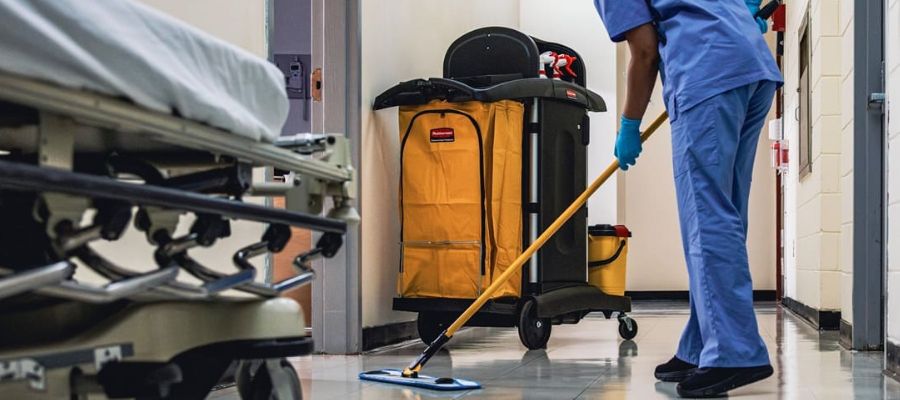
A Practical Guide to Environmental Cleaning for Healthcare, Aged Care, and Commercial Facilities
May 2026
Environmental cleaning plays a critical role in protecting health, safety, and operational standards across healthcare, aged care, and commercial environments. Whether it’s a hospital ward, residential care facility, or high‑traffic commercial space, effective cleaning practices reduce the spread of infection, support compliance, and help maintain confidence among staff, residents, and visitors.
This guide outlines practical approaches to environmental cleaning that support safer, cleaner, and more manageable facilities.
What Is Environmental Cleaning?
Environmental cleaning refers to the routine and targeted cleaning of surfaces, equipment, and shared spaces to remove visible dirt, organic matter, and harmful microorganisms. Unlike general tidying, it focuses on infection prevention and risk reduction, particularly in settings where vulnerable people or high human traffic is present.
Effective environmental cleaning combines:
- Correct cleaning chemicals
- Appropriate tools and equipment
- Structured procedures
- Trained cleaning staff
- Consistent monitoring and review
Why Environmental Cleaning Matters
In healthcare and aged care settings, poor cleaning practices can directly contribute to healthcare‑associated infections (HAIs). In commercial facilities, ineffective cleaning can lead to hygiene complaints, regulatory non‑compliance, and reputational damage.
A well‑planned environmental cleaning programme helps the following:
- Reduce the transmission of bacteria and viruses
- Support infection prevention and control (IPC) strategies
- Maintain compliance with local health regulations
- Protect high‑risk individuals
- Extend the lifespan of surfaces and equipment
Understanding Risk Areas
Not all spaces within a facility present the same level of contamination risk. Identifying and prioritising high‑risk areas ensures cleaning resources are used effectively.
High‑Risk Areas
- Bathrooms and toilets
- Clinical areas and treatment rooms
- Food preparation zones
- Waste handling and disposal areas
These spaces require more frequent cleaning and stricter chemical control.
Medium‑Risk Areas
- Hallways and corridors
- Shared staff areas
- Waiting rooms
Low‑Risk Areas
Offices, storage rooms, and non‑public spaces usually require routine cleaning but less intensive controls.
Cleaning vs Disinfecting: Knowing the Difference
Cleaning and disinfecting are often used interchangeably, but they serve different functions.
- Cleaning removes dirt and organic material, which can harbour bacteria.
- Disinfecting uses chemicals to kill or deactivate microorganisms.
Cleaning should always be done before disinfecting. Applying disinfectant to a dirty surface significantly reduces its effectiveness.
Choosing the Right Cleaning Products
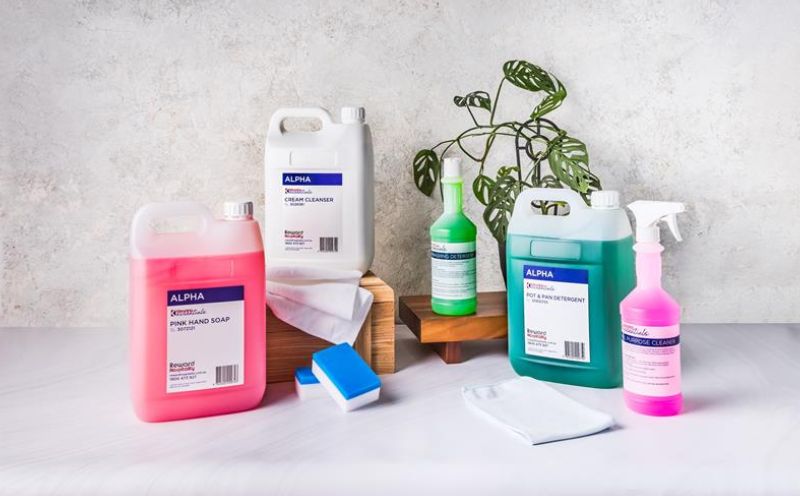
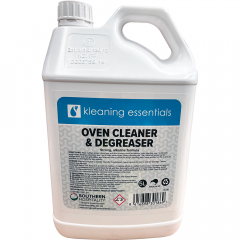
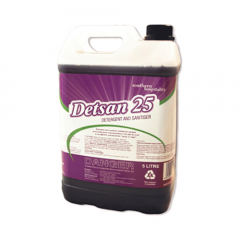
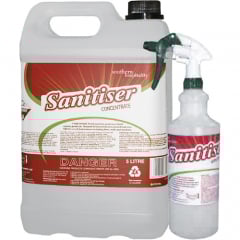
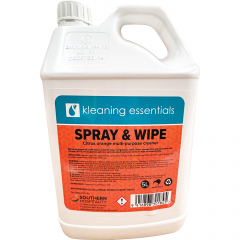
Different surfaces and environments require different cleaning chemicals. Using a product outside its intended purpose can result in poor hygiene outcomes or surface damage.
When selecting cleaning chemicals, consider:
- Surface type and durability
- Level of contamination risk
- Frequency of cleaning
- Safety for users and occupants
- Compatibility with equipment and finishes
Clear labelling and staff training are essential to ensure products are used correctly.
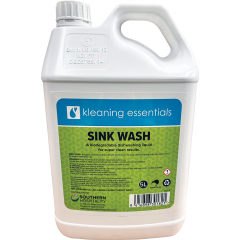
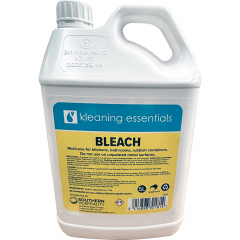
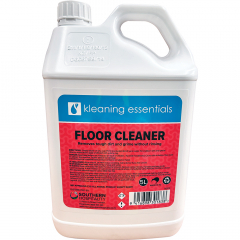
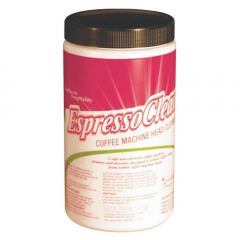
Tools and Equipment Matter
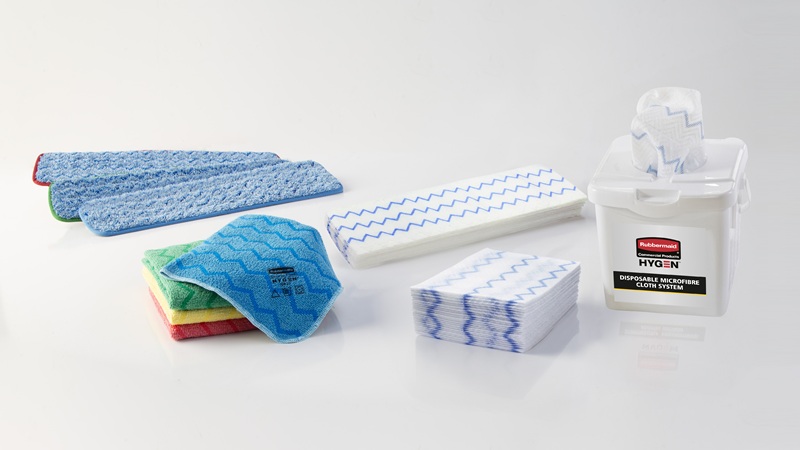
Cleaning effectiveness isn’t just about chemicals, as tools play a major role. Poor‑quality or poorly maintained equipment can spread contamination rather than remove it.
Best practice includes:
- Using dedicated tools for different zones
- Implementing colour‑coded systems where possible
- Replacing worn or damaged equipment promptly
- Cleaning and storing tools correctly after use
Add product widget here for the cleaning tools
Developing a Structured Cleaning Programme
A successful environmental cleaning programme is documented, repeatable, and easy for staff to follow.
Key components include the following:
- Written cleaning schedules
- Clear task responsibilities
- Defined cleaning frequencies
- Checklists for accountability
- Emergency response procedures for spills or contamination
Programmes should be tailored to the specific needs of each facility.
Training and Supporting Cleaning Staff
Well‑trained staff are essential to maintaining high cleaning standards. Training should go beyond basic instructions and include the following:
- Correct product usage and dilution
- Safe handling and storage of chemicals
- Use of personal protective equipment (PPE)
- Understanding infection risks and transmission
- Reporting and responding to incidents
- Ongoing refresher training helps maintain consistency, particularly in high‑turnover environments.
Monitoring and Continuous Improvement
Environmental cleaning should be reviewed regularly to ensure it remains effective and compliant.
Monitoring methods may include:
- Visual inspections
- Audit checklists
- Feedback from clinical or management teams
- Incident reporting trends
Using this data allows facilities to adjust cleaning schedules, products, or processes as required.
Conclusion
Effective environmental cleaning is a critical foundation for safety, compliance, and operational confidence across healthcare, aged care, and commercial facilities. By understanding risk levels, using the right products and tools, and implementing structured cleaning programmes, organisations can significantly reduce infection risks and maintain consistently high hygiene standards.
A practical, well‑managed approach to environmental cleaning not only protects vulnerable occupants and frontline staff but also supports long‑term efficiency and regulatory compliance. With the right systems in place, facilities can create cleaner, safer environments that meet the demands of today’s health‑focused settings.
Recent Posts