Southern Hospitality and cookies. This site uses cookies to personalise your experience, analyse site traffic and keep track of items stored in your shopping basket. By clicking ACCEPT or continuing to browse the site you are agreeing to our use of cookies. See our Privacy Policy here. Learn more

Understanding the Benefits of Pressure Frying vs Traditional Frying Methods
October 2025
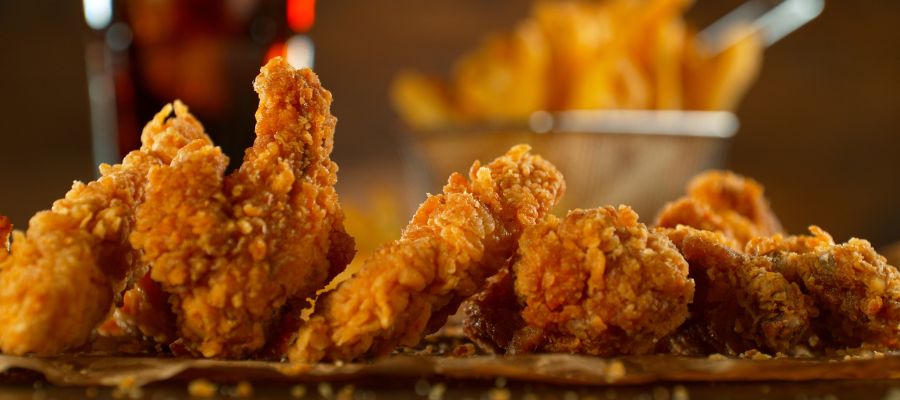
Fried food holds a special place on the menu across the globe. From perfectly crispy chips to golden fried chicken, every hospitality venue uses frying in some capacity. While traditional frying methods such as pan frying or deep frying are well known, pressure frying is less common but is becoming increasingly popular. Pressure frying works like deep frying but cooks faster, and uses moisture to deliver faster, juicer and more flavourful results.
What is Pressure Frying?
Pressure frying is a modern cooking technique that takes traditional frying to the next level. It works by submerging food in hot oil inside a sealed, pressurised chamber with an airtight lid. As the lid locks into place, pressure builds up, causing the moisture inside the food to reach temperatures above 100°C. This process cooks food faster while sealing in its natural juices and flavour, resulting in a crispy, golden exterior and a tender, juicy interior. Think of it like a pressure cooker, but instead of steam or boiling water, it uses hot oil to fry food quickly and evenly.
What are the Common Frying Methods?
Traditional frying methods refer to open-air frying techniques where food is submerged or exposed directly to hot oil. The most common approaches are:
Deep Frying
Deep frying is a technique where chefs submerge the food completely in hot oil. This ensures even cooking on all sides and is a popular method for cooking chicken, chips, donuts and other battered foods that need a crisp, golden exterior. Chef’s typically use open fryers, countertop fryers, or heavy pots to achieve consistent results and that signature crunch we all love.
Shallow Frying
Shallow frying is another common cooking method you’ll see in busy kitchen. In this technique instead of fully submerging food in oil, only part of it is covered, and chef turns it to evenly from both sides. This method is perfect for breaded cutlets, fritters or anything that need a light, golden crust without being drenched in oil. For this technical all you need is a good frying pans, sauté pans, or flat skillets.
Pan Frying
Pan frying is one of the most common frying approaches used in both home and professional kitchen. It involves cooking food in a thin layer of hot oil and requires frequent turning to avoid the food getting burnt. It is usually used when cooking eggs or sauteing vegetables. All you need are a few kitchen staples such as skillets, sauté pans, or griddles.
Key Differences Between Pressure Frying and Traditional Frying Methods
Pressure Frying
-
Uses a sealed, pressurised chamber to cook.
-
Cook faster as higher cooking temperature speeds up the process.
-
Locks in moisture of the food, keeping food juicy and flavourful.
-
Reduced oil absorption because of shorter cooking time.
-
Create a crispy exterior with a tender interior.
-
Ideal for high-volume kitchens that need quick, consistent results.
Traditional Frying
-
Done in open fryer or pan, exposed to air.
-
Cooking speed varies as it is limited by the standard boiling point.
-
Less moisture retention as more juice escapes during cooking.
-
Higher oil absorption as the food is exposed longer to oil.
-
Offers crispy exterior, but the inside might be drier.
-
Best suited for chips, tempura, or smaller batch items.
Why Commercial Kitchens Need to Use Pressure Frying?
In the fast-paced commercial kitchens, the right cooking method can make a big difference. Traditional frying methods are still useful for certain menu items, but pressure frying offers a clear advantage for prepping high-volume menus. It delivers crispy food while maintaining moisture and reducing oil usage. This promotes faster service, happier customers, and stronger profit margins.
Southern Hospitality are commercial kitchen equipment experts. With thousands of products available, across hundreds of food-service categories, we can supply all your commercial kitchen product needs. View our extensive range here.
Recent Posts