Southern Hospitality and cookies. This site uses cookies to personalise your experience, analyse site traffic and keep track of items stored in your shopping basket. By clicking ACCEPT or continuing to browse the site you are agreeing to our use of cookies. See our Privacy Policy here. Learn more


Trends Shaping Retirement Villages & Aged Care
July 2025
TrendAged care homes are moving towards offering fresher meals in warm, comfortable spaces. Many are adding cafes and smaller dining rooms to make mealtimes more social and enjoyable. Challenge Making dining areas feel less like institutions and more like home. Solution Using elegant tableware can help make meals look better and feel more personal. Adding cafe-style spaces also helps create a relaxed, friendly environment. Key Benefits
|
TRENDSSHAPINGRETIREMENTVILLAGESAND AGEDCARE |
TrendMore residents now need textured-modified or special diets, especially those with swallowing difficulties. These meals must be safe, nutritious and still look appetising. Challenge Making soft or pureed meals that look good and meet dietary needs can be time-consuming and hard to get right without the right tools. Solution Using equipment like strong blenders, food processors, and food moulds makes it easier to prepare these meals. Key Benefits
|
TrendStaff shortages are making it harder for kitchens to keep up with daily demands. Challenge Preparing, cooking and cleaning with fewer staff - whilst still meeting high standards. Solution Using smart kitchen equipment like fast-heating induction units, combi ovens, and easy-to-wash prep tools can speed things up, while powerful dishwashers also cut cleaning times. Key Benefits
|
TrendThere is a growing awareness of the need to cut food waste, save energy and use more eco-friendly kitchen practices. Challenge Reducing environmental impact while still serving safe, high-quality meals Solution Using energy-efficient equipment, cutting back on single-use plastics and managing portions all help. Durable tableware and waste-saving tools also support greener, more cost-effective kitchens Key Benefits
|
|
|
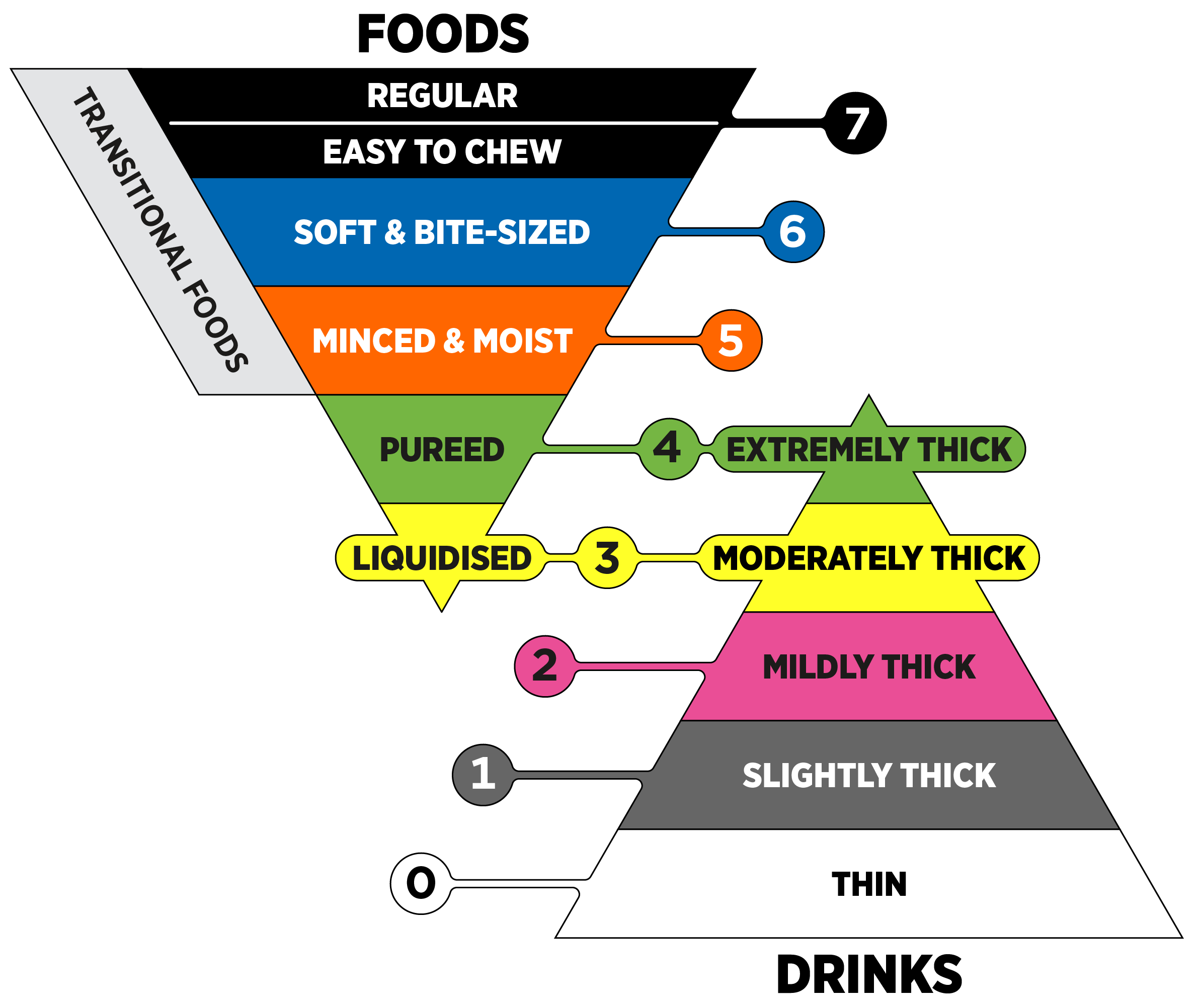
New Zealand's Transition to IDDSI Standards in Aged CareIn January 2019, New Zealand officially transitioned from the Australian National Standardised Terminology and Definitions for Textured Modified Foods and Thickened Liquids to the International Dysphagia Diet Standardisation Initiative (IDDSI)
This shift was nationally supported by the New Zealand Speech-Language Therapists' Association, New Zealand Dietitians' Association, the Health & Disability Commission, and major residential care providers. Guided by the New Zealand IDDSI Working Group, this successful implementation has standardised dysphagia management in aged care, improving safety, consistency, and resident outcomes. By providing clear food texture classifications, IDDSI ensures that residents with swallowing difficulties receive safe, nutritious, and dignified meals, while helping aged care facilities comply with national food service regulations
©The International Dysphagia Diet Standardisation Initiative 2019 @https://iddsi.org/Licensed under the CreativeCommons Attribution Sharealike 4.0 License https://creativecommons.org/license/by-sa/4.0/legalcode |
Recent Posts