Southern Hospitality and cookies. This site uses cookies to personalise your experience, analyse site traffic and keep track of items stored in your shopping basket. By clicking ACCEPT or continuing to browse the site you are agreeing to our use of cookies. See our Privacy Policy here. Learn more

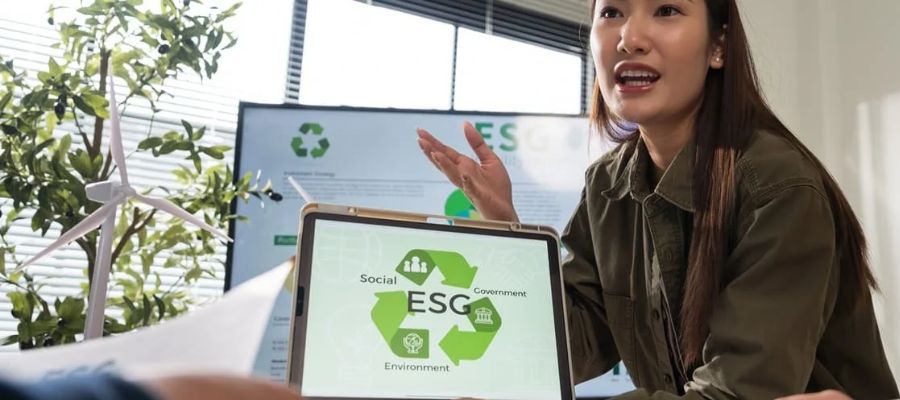
Circularity Beyond Materials: Extending Purpose Beyond the Product Lifecycle
November 2026
The world's natural resources are finite, yet many traditional economic models have been built around continuous consumption and growth. For decades, business success was often measured by a single metric: profitability. Companies extracted raw materials, manufactured products, expanded operations, and generated returns for shareholders. While this approach contributed significantly to economic development and innovation, it frequently overlooked a fundamental question: how can businesses give back?
Today, expectations are changing. Customers, employees, investors, and communities increasingly want organisations to play a positive role in society and the environment. As a result, success is no longer judged solely by financial performance. Businesses are being challenged to consider the broader impact they have beyond their products and services.
This shift reflects an evolving understanding of corporate responsibility. Just as the circular economy encourages businesses to move away from the traditional "take, make, dispose" model, organisations are beginning to rethink how the value they create can continue generating benefits long after a sale has been made. In this sense, circular thinking can extend beyond materials and into the very purpose of a business.
Looking Beyond Profit
The idea of the Triple Bottom Line, balancing people, planet, and profit, has become a central part of modern sustainability discussions. However, for much of business history, social and environmental outcomes were often treated as separate considerations rather than core measures of success.
That mindset is changing. More organisations now recognise that strong businesses rely on healthy communities, thriving ecosystems, and positive stakeholder relationships. Long-term success is increasingly linked to the wellbeing of the environments and societies in which businesses operate.
As a result, many companies are investing in initiatives that create value beyond their day-to-day operations. These efforts can take many forms, including environmental restoration projects, charitable partnerships, community programmes, and social impact initiatives. The focus is no longer just on reducing harm but on creating a lasting positive legacy.
Purpose Built into the Business
For some organisations, this shift represents a new way of thinking. For others, it has been part of their mission from the very beginning.
When BioPak was founded in 2006, the business was created in response to growing concerns about plastic pollution and the limitations of the traditional linear economy. The company's founders set out to develop packaging solutions that worked with natural systems rather than contributing to waste.
Their goal was straightforward: help remove plastic pollution from food systems while supporting the transition to a more circular economy.
Nearly twenty years later, that mission continues to shape the business. Circularity remains central to BioPak's approach, with a focus on creating packaging that can be composted, recycled, or safely returned to natural systems at the end of its useful life rather than becoming landfill waste.
Yet this way of thinking raises a broader question. If packaging and materials can be designed to stay in circulation, could the same principle apply to the value a business creates?
What Does Circular Impact Look Like?
At its simplest, circularity is about ensuring valuable resources do not become waste.
In the packaging sector, this means designing products that can be reused, recycled, or composted. Applied more broadly, however, circularity invites businesses to think about how their profits, knowledge, resources, and influence can continue creating value after commercial objectives have been achieved.
BioPak's Give Back Fund, established in 2012, provides a practical example of this approach.
Since the programme began, the company has committed 5% of annual profits to initiatives focused on environmental protection and community support. This commitment has been maintained every year since the fund's inception.
To date, BioPak has contributed more than $5.8 million to environmental and charitable organisations, with total contributions expected to exceed $6 million by the end of 2026.
Creating Positive Outcomes Beyond Business
The impact of these contributions can be seen across a range of environmental and social initiatives.
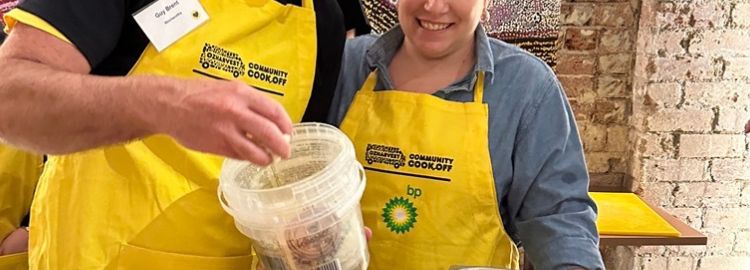
During 2025, BioPak helped provide 463,924 meals through partnerships with OzHarvest, KiwiHarvest, and Foodbank, supporting efforts to address food insecurity across both Australia and New Zealand.
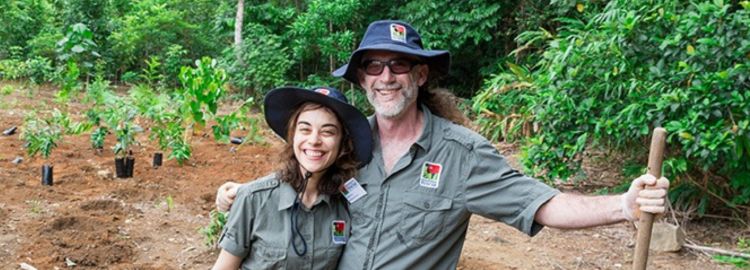
The company also funded the planting of 6,240 trees through Rainforest Rescue, helping protect and restore the Daintree Rainforest, one of the world's most significant tropical rainforest ecosystems.
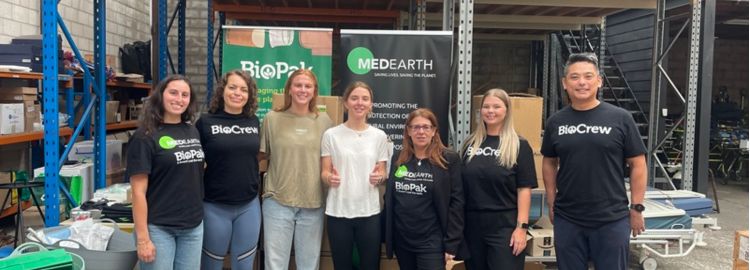
In addition, BioPak partnered with MedEarth to divert surplus medical equipment from landfill and redistribute it to communities in need as humanitarian aid. This initiative not only reduced waste but also extended the useful life of valuable resources while supporting healthcare access in vulnerable communities.
Although these programmes focus on different issues, they share a common principle: allowing business success to generate benefits that continue flowing outward.
The Future of Circular Thinking
Much of today's discussion around circularity focuses on reducing waste, improving resource efficiency, and creating more sustainable packaging systems. These remain important priorities.
However, the next stage of the circular economy may involve expanding the concept beyond materials alone.
Rather than asking only how products can remain in circulation, businesses can also consider how the value they generate can continue contributing to positive outcomes. Profits can support community initiatives. Knowledge can be shared. Resources can be redirected where they are most needed. Influence can be used to drive meaningful change.
By applying circular principles to both products and purpose, organisations have an opportunity to create lasting impacts that extend far beyond the balance sheet. In doing so, they demonstrate that true circularity is not just about what happens to materials after use but also about how the value created by a business continues to benefit people, communities, and the environment long into the future.
Recent Posts
November 2026
The world's natural resources are finite, yet m...

October 2026
The Christmas period is one of the busiest and ...